
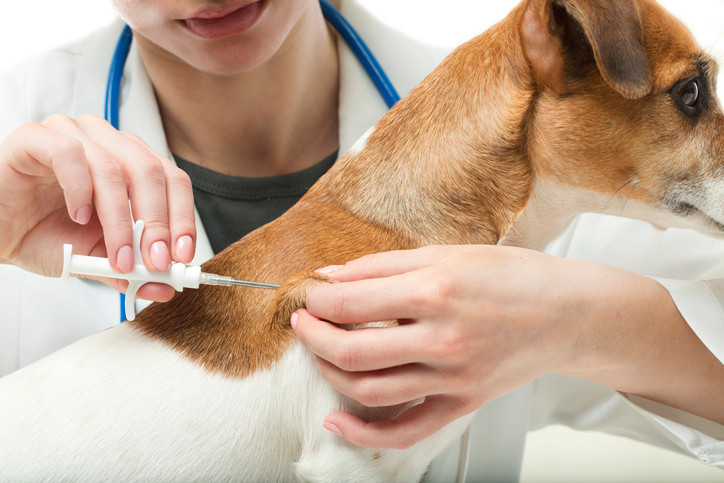
A pet microchip can give a lost dog or cat a better chance of being reunited with its family. But the microchip itself is only part of the process.
The chip needs to be registered, the owner's contact information needs to be accurate, and veterinary teams need to be able to identify the chip when a lost pet is scanned.
That makes pet microchip registration and updates an important part of ongoing veterinary care.
For veterinary clinics, microchip education is also a simple way to stay connected with clients. A reminder about checking a pet's microchip information can be included during annual wellness visits, sent after a client moves, or shared through a veterinary reminder card.
How Does a Pet Microchip Work?
A pet microchip is a small identification device implanted under an animal's skin. It contains a unique identification number that can be read using an appropriate scanner.
Unlike a collar or identification tag, a microchip cannot simply fall off or be removed when a pet gets lost.
A microchip is not a GPS tracker, however. It does not continuously transmit a pet's location.
Instead, when a lost pet is found and scanned, the scanner reads the chip's identification number. A veterinary clinic, animal shelter, or other organization can then use that number to identify the appropriate registry and look for the owner's contact information.
That is why keeping the registration information current matters so much.
Why Pet Microchip Registration Matters
A microchip can't help reunite a lost pet with its family if the information associated with the chip is missing or outdated.
For example, imagine a client moves to a new home but never updates the address associated with the pet's microchip. If the dog gets lost months later and is taken to a shelter, the shelter may successfully scan the chip but still have trouble contacting the owner.
The same problem can occur when a client:
-
Gets a new phone number
-
Changes email addresses
-
Moves to another city or state
-
Adopts a pet with an existing microchip
-
Changes ownership of a pet
-
Has outdated emergency contact information
Veterinary clinics can help prevent these problems by making microchip registration and updates part of regular client conversations.
How to Update a Pet's Microchip Information
The exact process depends on which microchip registry holds the pet's information.
Pet owners should first find their pet's microchip number and identify the registry associated with it. A veterinary clinic or animal shelter can scan the pet and provide the identification number if the owner doesn't have it.
Once the correct registry has been identified, owners should update the information on file.
This may include:
-
Owner's name
-
Current address
-
Primary phone number
-
Email address
-
Emergency contact information
-
Pet information, if applicable
Owners should also check what happens if a pet changes hands. An adopted dog or cat may already have a microchip registered to the previous owner, making a transfer of registration an important step.
When Should Pet Owners Check Their Microchip Information?
There isn't one universal schedule for updating registration information. The important thing is to update it whenever relevant information changes.
Pet owners should review their information when they:
-
Move to a new address
-
Change phone numbers
-
Change email addresses
-
Adopt or rehome a pet
-
Travel internationally with a pet
-
Discover that registration information is incomplete
-
Find that a microchip has never been registered
An annual wellness visit is another convenient opportunity to check.
Veterinary staff can scan the pet's microchip, verify that it can be detected, and remind the owner to confirm that their registration information is accurate.
Microchips and ID Tags: Why Pets Should Have Both
A microchip shouldn't be viewed as a replacement for a collar and identification tag.
The two forms of identification serve different purposes.
An ID tag can display a phone number or other contact information that someone who finds a lost pet can see immediately.
A microchip provides permanent identification that can still be detected if the collar or tag is missing.
For that reason, veterinary clinics can encourage clients to use both a visible ID tag and a registered microchip.
Using both gives someone who finds a lost pet multiple ways to begin the reunification process.
What About Different Microchip Frequencies?
Microchip compatibility can become particularly important when a pet travels internationally.
Different microchip standards and frequencies have been used in different markets. ISO-compliant microchips operating at 134.2 kHz are commonly used internationally, while older or non-ISO chips may use different frequencies.
This matters because a scanner needs to be compatible with the chip in order to read it.
Pet owners planning international travel should check the destination country's current requirements well in advance. Some countries have specific microchip requirements that must be satisfied before other parts of the import process can be completed.
Veterinary clinics can help clients understand the requirements that apply to their travel plans instead of assuming every microchip and scanner will work in every country.
How Veterinary Clinics Can Encourage Microchip Updates
Microchip education doesn't have to be complicated. The key is turning an easily forgotten task into a regular client reminder.
Add a Microchip Check to Wellness Visits
An annual wellness visit gives veterinary teams a natural opportunity to ask whether the owner's contact information has changed.
Staff can also scan the pet's microchip and confirm the identification number.
The clinic can then remind the client to contact the appropriate registry if their phone number, address, email, or other information needs to be updated.
Send Microchip Reminder Cards
A physical reminder can be useful for veterinary practices that want to stay connected with clients between appointments.
Positive Impressions' veterinary reminder cards can be customized with a clinic's branding and used to remind clients to check their pet's microchip registration.
A simple message could say:
"Has your address or phone number changed? Don't forget to update your pet's microchip information."
It gives clients a clear action to take while keeping the veterinary practice's contact information close at hand.
Help Clients Keep Their Pet Information Current
Pet microchip education is about more than the chip. It gives veterinary practices another practical way to help clients protect their pets while maintaining communication between appointments.
Positive Impressions provides customizable products designed for veterinary practices, including veterinary reminder cards, appointment materials, client giveaways, prescription labels, sympathy cards, memorial products, calendars, and other promotional products.
A branded reminder card can turn an easy-to-forget task into a useful client touchpoint.
Contact the Positive Impressions team for more information.
Frequently Asked Questions About Pet Microchips
How do I update my pet's microchip information?
To update a pet's microchip information, first identify the microchip number and the registry where it is registered. Contact that registry to update your address, phone number, email, or other owner information. Your veterinary clinic can scan the chip if you don't know the identification number.
How often should a pet's microchip be checked?
Veterinary clinics can scan a pet's microchip during routine wellness visits to confirm that the chip can be detected and the identification number can be read. Pet owners should also review their registration information whenever they move, change phone numbers, change email addresses, or transfer ownership of a pet.