
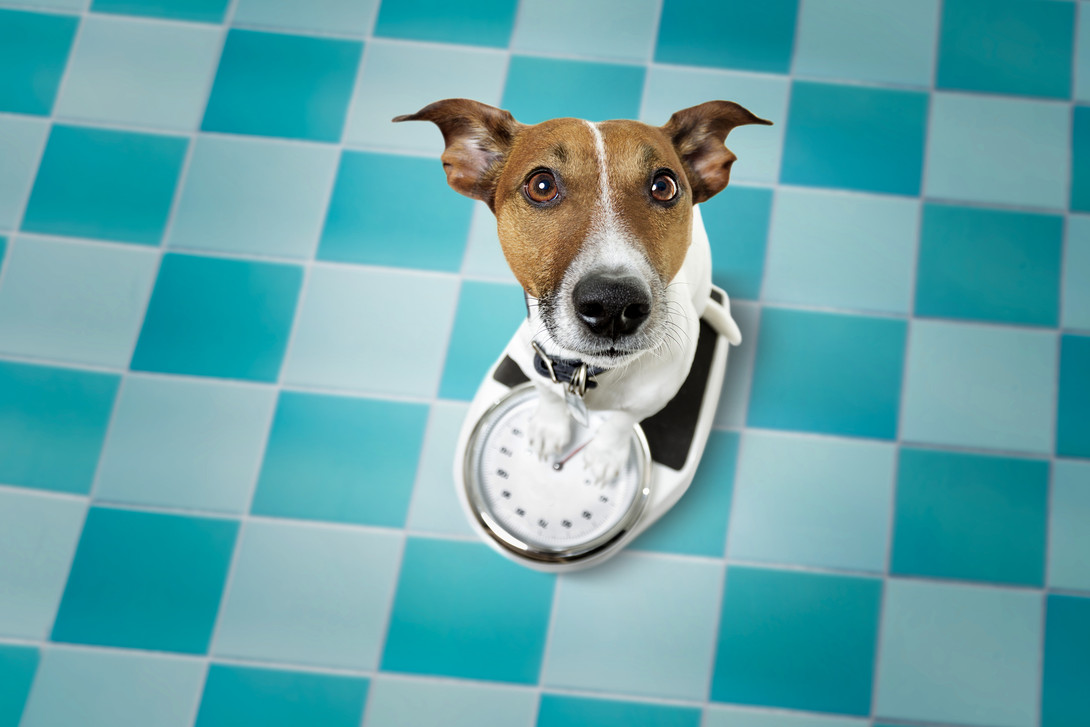
In a world where we count our own calories, track our steps, and fill our social media with gym selfies, it’s a startling irony that the pet obesity epidemic is running rampant among our pets. This isn’t just about a few extra pounds; it’s a serious health crisis that silently shortens lives and diminishes the quality of our pets’ golden years. Veterinary professionals are on the front lines of this battle, focusing their efforts on preventative care and client communication.
Pet Obesity Awareness Starts With You
The statistics are sobering. The Association for Pet Obesity Prevention (APOP) consistently reports that over half of the dogs and cats in the United States are overweight or obese. This excess weight is a direct gateway to a host of debilitating and life-threatening health problems. The unfortunate consequences for dogs and cats are extensive and include:
- High blood pressure
- Heart and respiratory disease
- Diabetes mellitus
- Kidney disease
- Heat intolerance
- Crippling osteoarthritis
- Cruciate ligament injuries
- Decreased stamina
- An increased risk for many types of cancer
- A decreased life expectancy of up to 2.5 years
From playful Poodles to cuddly British Shorthairs, this epidemic knows no breed boundaries. It’s a challenge that requires a partnership between our clinics and our clients. The good news is, veterinary professionals can help reverse this trend. With a combination of proper nutrition, increased activity, and diligent preventative care, pet owners can help their beloved fur babies achieve a healthy weight. Here are the best ways to help your clients end the pet obesity epidemic.
The First Step: Proactive Communication and Frequent Checkups
For many pet owners, weight gain is a gradual process they might not even notice. Because wellness checkups typically happen only once a year, a pet can gain a significant amount of weight between visits. The wake-up call often only happens when their pet steps on the scale in your exam room. By then, a significant problem may already exist.
This is why we must shift the focus from annual visits to continuous care, especially for at-risk pets. If a client has an overweight pet, they shouldn’t wait a full year before returning. More frequent weigh-ins and physical exams allow you to track progress, adjust plans, and ensure a pet’s health markers are moving in the right direction.
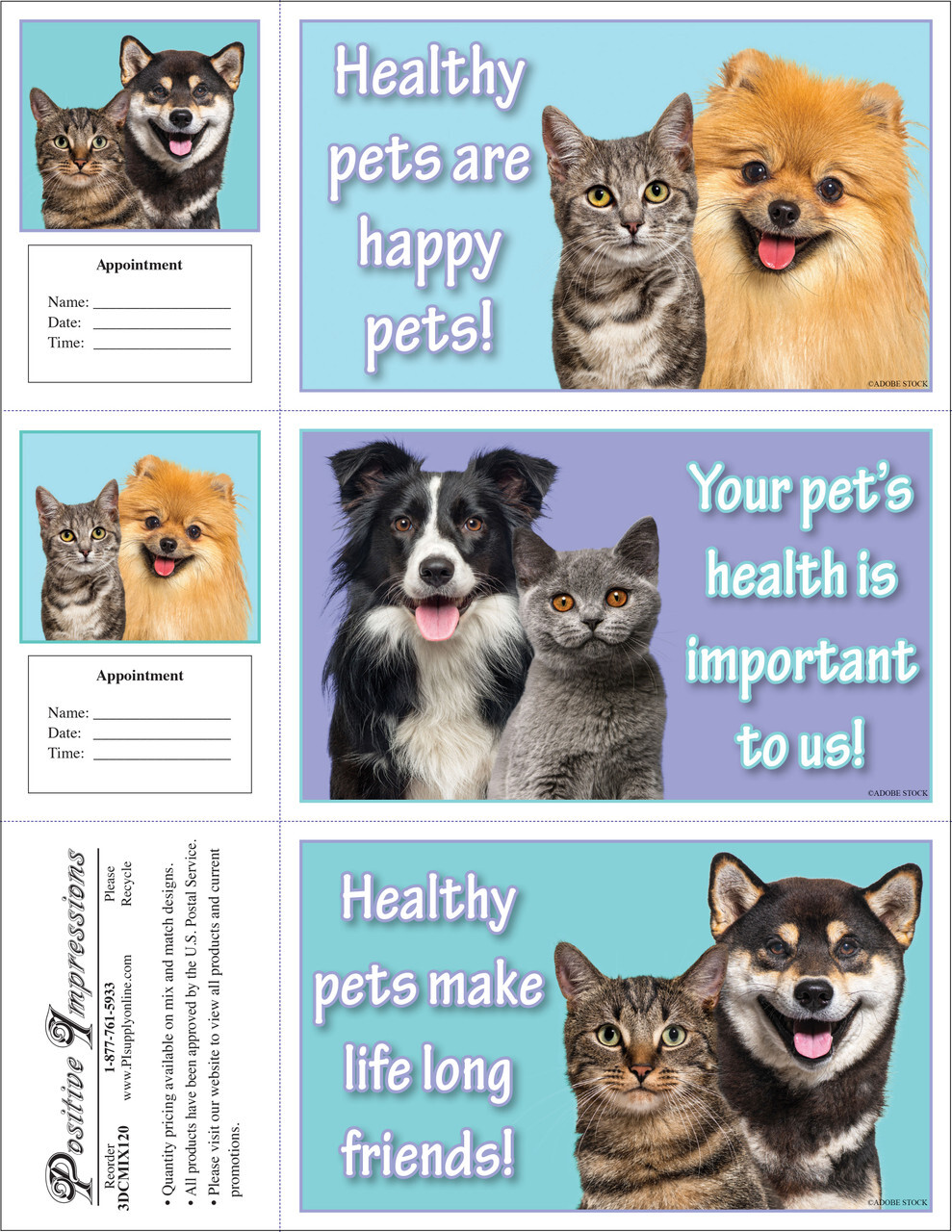
But how do you ensure compliance for these crucial follow-ups? In our digital-first world, a tangible reminder can make all the difference. This is where veterinary reminder postcards become an invaluable tool.
Sending a physical postcard is a personal, effective way to prompt clients to schedule these vital weight-check appointments. Consider a targeted mailing campaign that highlights the importance of a healthy weight and invites clients in for a complimentary Body Condition Score (BCS) assessment. High-quality, customizable veterinary reminder postcards can be used specifically for this campaign. To truly capture attention, a pet health-focused reminder card can ensure your message isn’t just seen—it’s remembered.
Educating Owners: From Body Score to Reading Labels
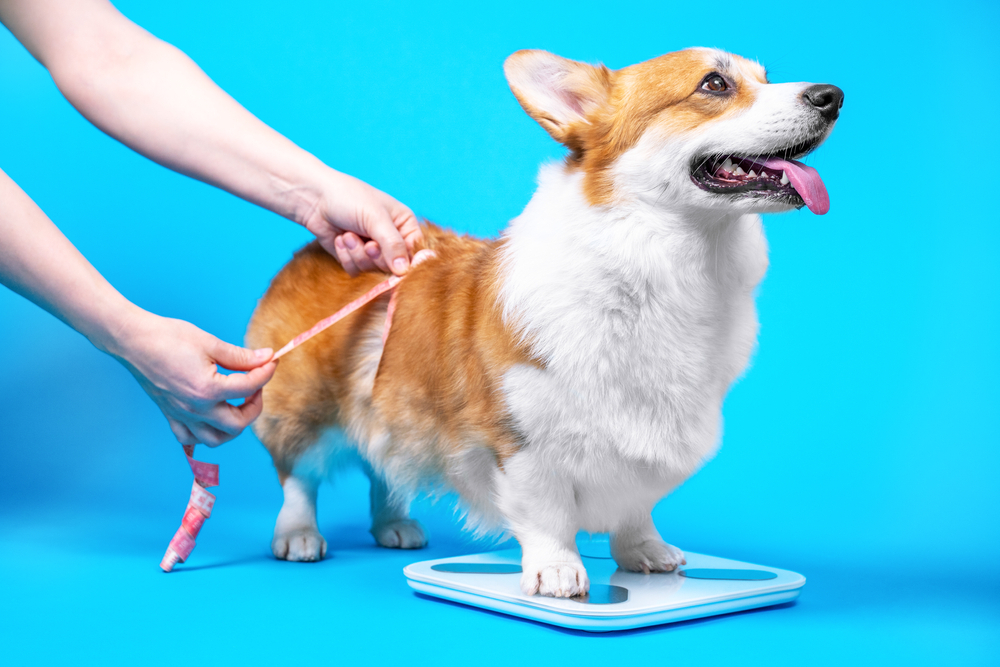
Obesity is not simply an appearance issue; it’s a medical diagnosis. A key part of a veterinary practice’s role is to educate clients on how to assess their pets at home. Teach them to look beyond the scale and use the Body Condition Score system. Provide them with charts and guides (excellent resources are available on the APOP website) and show them how to conduct a hands-on check. Can they easily feel their pet’s ribs? Is there a visible waistline when viewed from above? These physical clues are far more telling than a number on a scale.
Once a client understands their pet’s condition, the next step is empowering them to manage their diet. Just as we read our own nutrition labels, encourage your clients to become pet food detectives. Teach them to:
- Read the Ingredients: Advise them to be cautious of marketing claims and to scrutinize the ingredient list. They should look for excess fats, sugars, sodium, and artificial ingredients. For carnivorous pets, explain the impact of high-carbohydrate foods filled with grains, which can contribute to weight gain.
- Track the Calories: All those little extras add up. Remind clients to account for everything their pet consumes, from training treats to table scraps offered by a well-meaning family member. Even a quick rummage through the garbage can add hundreds of excess calories.
Implementing a Healthy Lifestyle: Meals, Movement, and Medication
Once educated, clients need an actionable plan. Guide them through the process of creating a healthier daily routine for their pet.
1. Schedule Regular Meal Times
For an overweight pet, free-feeding is a recipe for disaster. Advise clients to stop leaving a bowl of food out 24/7. Pets often eat out of boredom, not just hunger. Scheduled meal times create routine, help with portion control, and allow the owner to monitor their pet’s intake accurately.
2. Keep ‘Em Moving
All pets need regular exercise, and a quick potty break in the yard is not enough. Most dogs benefit from at least 30 minutes of sustained aerobic activity daily. This doesn’t just mean walks; encourage clients to engage in active play like fetch, swimming, or agility games. For cats, recommend interactive toys, laser pointers, and climbing trees to keep them physically and mentally stimulated.
3. Understand Medication Side Effects
Just like with humans, certain medications can contribute to weight gain in pets. Review a pet’s full medication list, including those prescribed by other specialists. Determine if any medications might be impacting their metabolism and explore alternatives if possible. Over-prescribing can be detrimental to any pet, but especially one struggling with obesity.

Your Partner in Client Communication
Obesity is a serious, complex problem, but it is solvable. As a trusted veterinary professional, you are the key to helping pet owners navigate this journey. Your guidance, paired with consistent client communication, creates the foundation for success.
Positive Impressions is here to help you connect with your clients in a way that contributes directly to the health and well-being of their pets. With our vast selection of veterinary office products, from prescription pads to professionally designed veterinary reminder postcards, you can ensure your clients and their pets are given the best care and service possible—year after healthy year.
For more information about our products, don’t hesitate to contact us today!