
Combating hairballs ranks high on the list of unpleasant realities every cat owner faces. That distinctive hacking sound in the middle of the night, the soggy surprise on the carpet, the concern that something might be seriously wrong with your feline friend.
While hairballs are a normal part of cat ownership, frequent occurrences can signal underlying health issues that deserve veterinary attention. Your practice plays a crucial role in educating clients about prevention strategies and identifying when hairballs indicate more serious problems.
Knowing the best approaches to combating hairballs helps your clients maintain their cats' digestive health while reducing those unpleasant cleanup moments. Since cats naturally groom themselves by licking their fur, ingesting some hair is inevitable.
As a veterinary professional, you can guide cat owners toward effective prevention strategies while helping them recognize when frequent hairballs warrant medical evaluation. Here's how to support your clients in managing this common feline issue.
Regular Grooming Makes the Biggest Difference
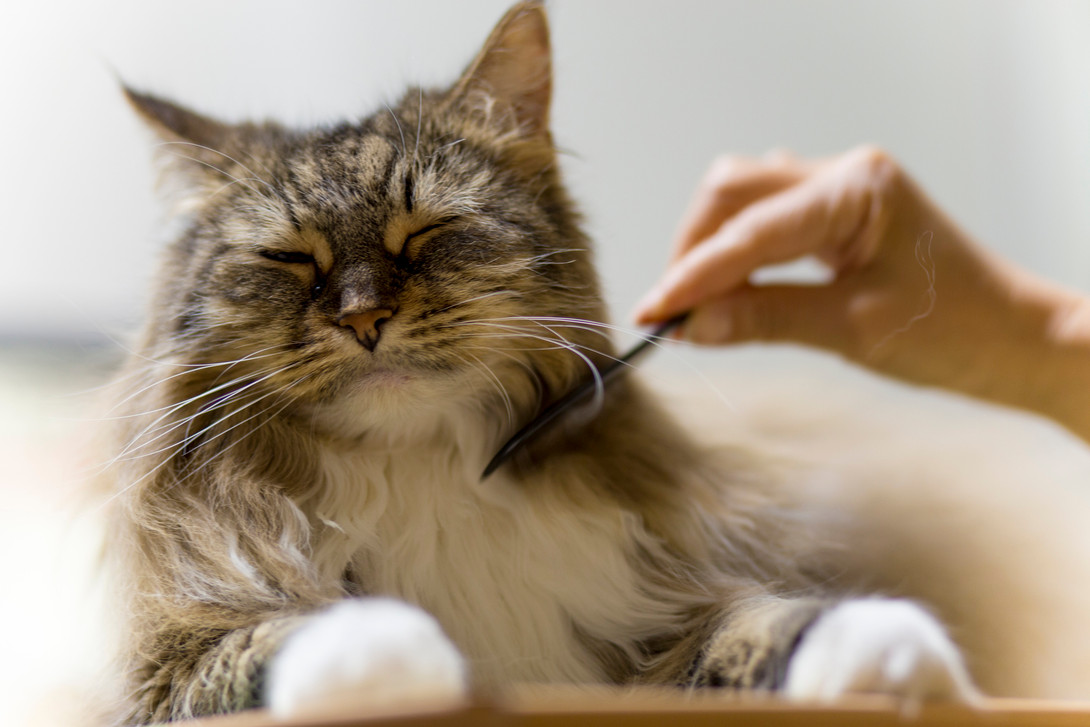
Grooming represents the single most effective strategy for combating hairballs in cats. While many cats resist brushing initially, regular sessions significantly reduce the amount of loose fur available for ingestion during self-grooming.
Key grooming recommendations for clients:
- Brush short-haired cats twice weekly to remove loose fur
- Groom long-haired cats daily to control shedding
- Use cat-specific brushes or deshedding combs
- Keep sessions calm and reward with treats
- Increase grooming during spring and fall shedding
- Consider professional grooming for difficult cats
Explain to clients that removing loose hair before cats ingest it during their own grooming sessions dramatically reduces hairball frequency.
Additionally, regular brushing prevents matting, distributes natural skin oils, and provides opportunities to check for skin issues, lumps, or parasites. This simple preventive measure benefits overall feline health beyond just hairball reduction.
Best Diets for Hairball Control
Nutrition plays a significant role in how effectively cats pass ingested hair through their digestive systems. Several dietary strategies show promise for combating hairballs, though individual cats respond differently to various approaches.
High-Fiber Commercial Diets
These are designed specifically for hairball control to help many cats by promoting intestinal motility. The increased fiber content keeps digestive material moving through the gastrointestinal tract more efficiently, allowing hair to pass through feces rather than accumulating in the stomach. These specialized formulas are widely available and represent an easy dietary adjustment for concerned cat owners.
Grain-Free, High-Protein Diets
Offer an alternative approach based on cats' natural carnivorous dietary needs. Some veterinarians theorize that cats evolved to digest primarily protein and fat rather than grains and carbohydrates. Proponents of this approach suggest that diets mimicking natural feline nutrition maintain healthier intestinal bacteria populations, which may improve the digestive system's ability to process and eliminate hair.
During wellness appointments, discuss your client's cat's current diet and hairball frequency to determine whether dietary changes might help. The right choice depends on the individual cat's digestive system, overall health status, and response to different nutritional profiles.
Hairball Remedies and Supplements
Beyond grooming and diet, several products help cats pass hair more easily through their digestive systems.
Effective supplemental options include:
- Petroleum-based lubricants to help hair pass through
- Natural supplements with ingredients like slippery elm or psyllium
- Flavored pastes cats treat like snacks
- Hairball-control treats with functional benefits
Recommend these products to clients whose cats continue experiencing hairballs despite regular grooming and an appropriate diet. Most cats tolerate these supplements well, and they provide additional support for digestive health.
When Hairballs in Cats May Signal Health Problems
While occasional hairballs are normal, frequent occurrences may indicate underlying health issues requiring medical attention. Educate clients about warning signs that distinguish normal hairball production from potential medical concerns.
Red flags that warrant veterinary evaluation:
- Vomiting multiple times weekly, with or without visible hair
- Difficulty producing hairballs despite repeated gagging or retching
- Loss of appetite or reduced food intake
- Lethargy or behavioral changes
- Diarrhea or constipation accompanying hairball issues
- Weight loss over time
Conditions like inflammatory bowel disease, gastrointestinal obstructions, or even intestinal lymphoma can manifest as frequent vomiting that clients might attribute to simple hairballs. Encouraging clients to report excessive hairball frequency ensures you can evaluate cats for these more serious conditions.
How Veterinary Clinics Can Help Prevent Hairballs
Your practice can proactively support cat owners in combating hairballs through educational resources and timely reminders.
Effective client support strategies include:
- Handouts explaining normal versus concerning hairball frequency
- Demonstrations of proper grooming techniques during wellness visits
- Product recommendations for brushes, combs, and hairball remedies
- Seasonal reminders about increased grooming needs during heavy shedding periods
- Follow-up questions about hairball frequency at routine appointments
Personalized reminder cards serve as excellent tools for prompting clients to schedule wellness checks where you can assess their cats' digestive health and hairball status. These reminders demonstrate your practice's commitment to preventive care while keeping your clinic top-of-mind.
Building Long-Term Feline Health
Most hairball issues resolve through simple grooming improvements, and your guidance helps clients maintain their cats' comfort and health. When you provide clear education about prevention strategies and help clients recognize concerning patterns, you strengthen the trust that defines lasting veterinary relationships.
At Positive Impressions, we understand the importance of clear client communication in veterinary practice success. Our collection of personalized reminder cards, prescription labels, and over 3,000 quality products helps you deliver professional, memorable service.
Let's discuss how our products can help you better serve the cats and cat owners in your community.