
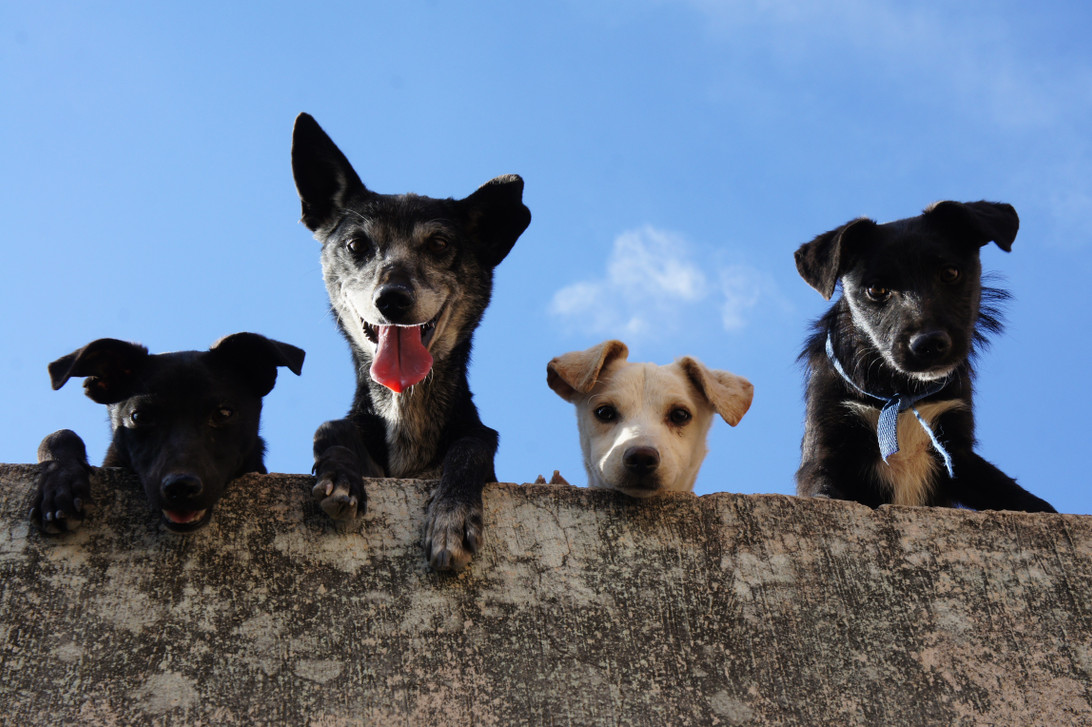
A new pet is coming home. The bed is bought, the bowls are ready, and the excitement is real. But here is what most new pet owners do not realize until it is too late: the average home is full of everyday items that can seriously harm a dog or cat. A little preparation before day one can prevent a frightening and costly trip to the emergency clinic.
Share this guide with your clients. It covers the most common household hazards for pets and gives them a simple, room-by-room framework for making their home safer before their new family member arrives.
New Pet Home Safety Checklist
- Secure medications in closed cabinets
- Remove rodent bait and pest products
- Identify and remove toxic plants
- Store cleaning supplies out of reach
- Use locking or enclosed trash cans
- Secure cords and remove small objects
Medications: The Number One Accidental Poisoning Risk
According to the ASPCA Animal Poison Control Center, medications remain the leading cause of accidental pet poisoning year after year. The biggest culprit is not an open bottle; it is a single dropped pill on the floor.
Help clients build these habits from day one:
- Store all medications in a closed cabinet or sealed container, out of reach
- Designate one specific spot to take pills and always return containers immediately
- Check the floor after every dose to make sure nothing was dropped
- Treat over-the-counter medications with the same caution as prescriptions
Pesticides, Insecticides, and Rodenticides
Rat poison, bug sprays, and pesticides are particularly dangerous because bait products are specifically designed to smell and taste appealing to animals. New pet owners often overlook the yard and garage as hazard zones.
Remind clients to:
- Remove or secure all rodent bait stations before bringing a pet home
- Check storage sheds and garages for old or expired pest control products
- Treat "pet-resistant" products as a precaution, not a guarantee
- Keep pets off treated lawn areas until products are fully dry or according to label directions
Plants: More Dangerous Than Most Owners Realize
Most pet owners know mistletoe is toxic. Far fewer know that lilies, sago palms, azaleas, and dozens of common household and garden plants are also seriously dangerous, particularly for cats. A 2024 ASPCA report noted that plant ingestion remains one of the top five reasons pet owners contact poison control.
The ASPCA Poison Control Center maintains separate, up-to-date lists of plants toxic to dogs, cats, and other pets. Sharing that resource directly with new pet owner clients is a simple, high-value touchpoint your practice can offer at or before the first wellness visit.
Cleaning Supplies
Many common cleaning products cause harm on contact with skin, eyes, or paws. Others, particularly certain soaps and detergents, taste appealing enough that pets will actively seek them out. Clients should store all cleaning supplies in high cabinets with secure closures and keep pets out of recently cleaned areas until surfaces are fully dry.
Trash Cans
An unsecured trash can is one of the most underestimated hazards in a new pet home. Empty food containers, discarded medications, cleaning product residue, and small packaging materials all end up in the same place, and pets find all of it interesting.
Recommend that clients use trash cans with self-closing or locking lids, or store cans inside a cabinet until the pet has learned household boundaries.
Toys, Cords, Candles, and Curtains
These four categories account for a significant share of pet injuries that do not involve poisoning:
- Small toy parts -- Lego bricks, action figure accessories, and small game pieces are easy to swallow and can cause dangerous intestinal blockages
- Electrical cords -- both dogs and cats will chew or play with cords, risking electric shock or pulling appliances off surfaces
- Curtains -- cats climb them, which can pull curtain rods down and cause injury
- Candles -- a single bump from a curious pet can knock a lit candle onto a flammable surface
Simple fixes, securing cords, storing small items, switching to flameless candles, and lifting curtains off the floor, eliminate most of these risks quickly.
Turn Pet Safety Into a Client Connection Opportunity
New pet owners are highly engaged and genuinely receptive to guidance in those first weeks. That makes this an ideal window for your practice to show up as a trusted resource, not just a place they visit when something goes wrong.
Positive Impressions offers a full range of products designed to help veterinary practices stay connected with clients at every stage of the pet ownership journey. From new pet welcome packets and appointment reminder cards to educational inserts and branded take-home materials, our catalog is built around helping practices make a lasting impression between visits.
Keep Clients Informed, Keep Pets Safe
The practices that clients remember and return to are the ones that stay involved beyond the exam room. A simple, well-timed pet safety resource positions your team as a partner in the health and happiness of every new pet in your community.
Explore our full product catalog to find the tools that help your practice stay connected from the very first visit.